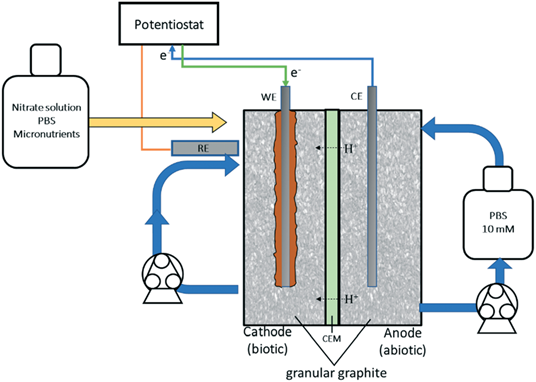
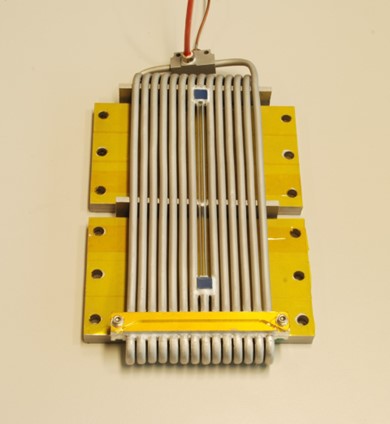
The track on Hydraulic, Environment & Energy Engineering addresses the design of engineering solutions and the simulation and modeling of physical processes connected with relevant problems in hydraulic engineering, fluid mechanics, hydrogeological risk protection, environmental engineering, water and waste treatment, energy engineering and sustainability.
The ongoing research activity focuses:
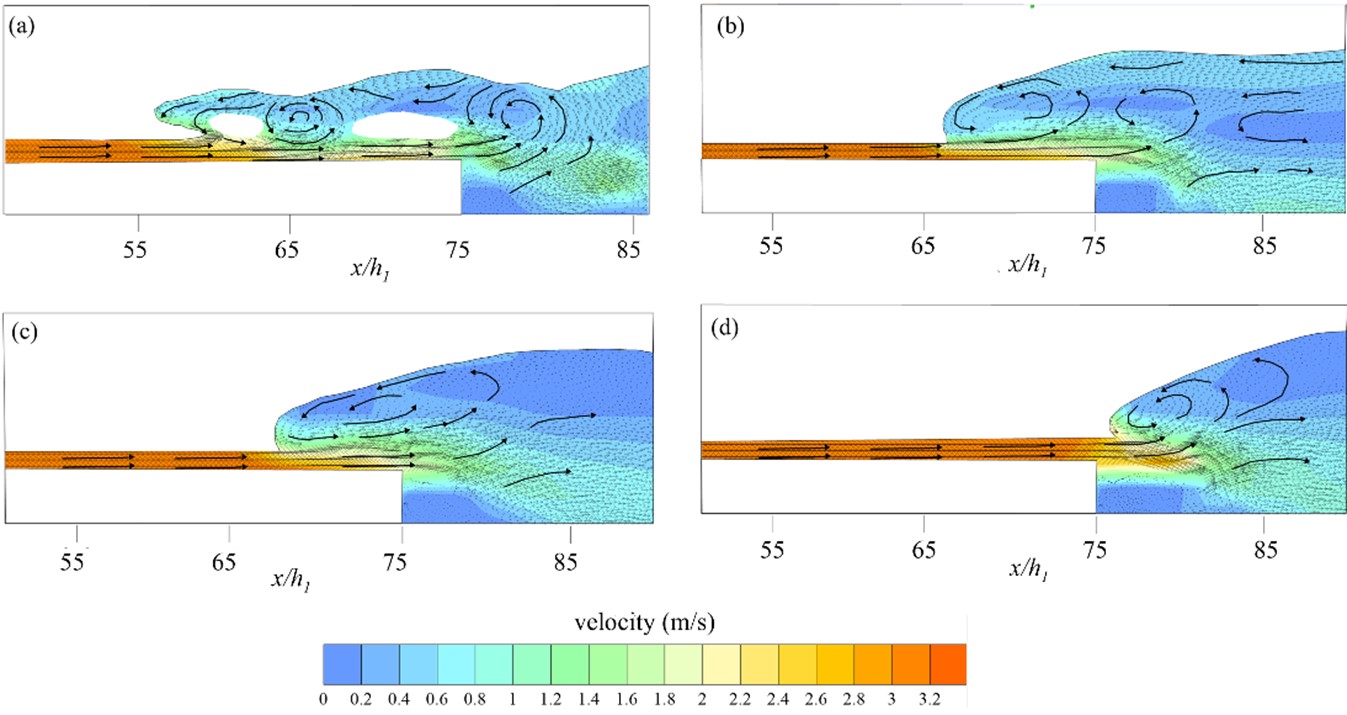
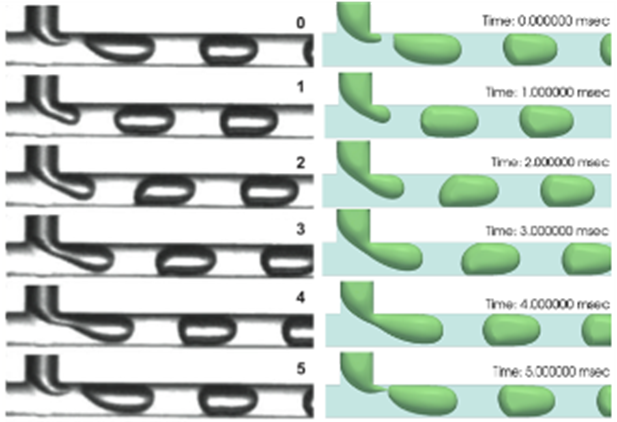
- on the development of numerical models for a variety of applications in fluid mechanics and hydraulics (environmental flows, transport of solids and floating debris, turbulence, industrial flows, nano- and microfluidics, complex rheologies, multi-phase flows phase change processes, droplet and spray physics, etc…);
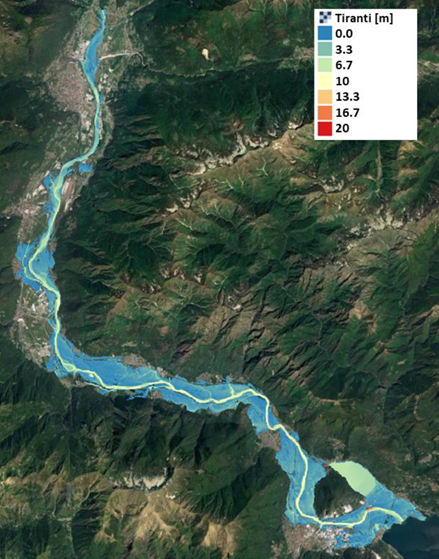
- on the assessment of analysis methods and simulation tools for the mitigation/prevention of various types of risks (flood risk in floodplains and urban areas, landslide risk, ecological and environmental risk in lakes and rivers, pollution risks in rivers, drainage systems and atmosphere, etc…) and for land and water management (irrigation, lake and river management, etc…) in climate change scenarios;
- on the development of solutions to enhance the reliability and sustainability of engineering technologies (reliability and energy recovery in water distribution networks, new technologies in water and wastewater treatment plants, energy performance of buildings, air-to-water extraction systems, renewable energy sources, environmental and architectural acoustics and comfort, physical models of heat pipes for terrestrial and space applications, characterization in microgravity environment of thermal systems for space missions, etc…)